2026-03-18
Villa
Design
Architecture
Interior
Leadership: Maria Swagi Kurwa’s Journey of Community Climate Action in Sumbugu Ward
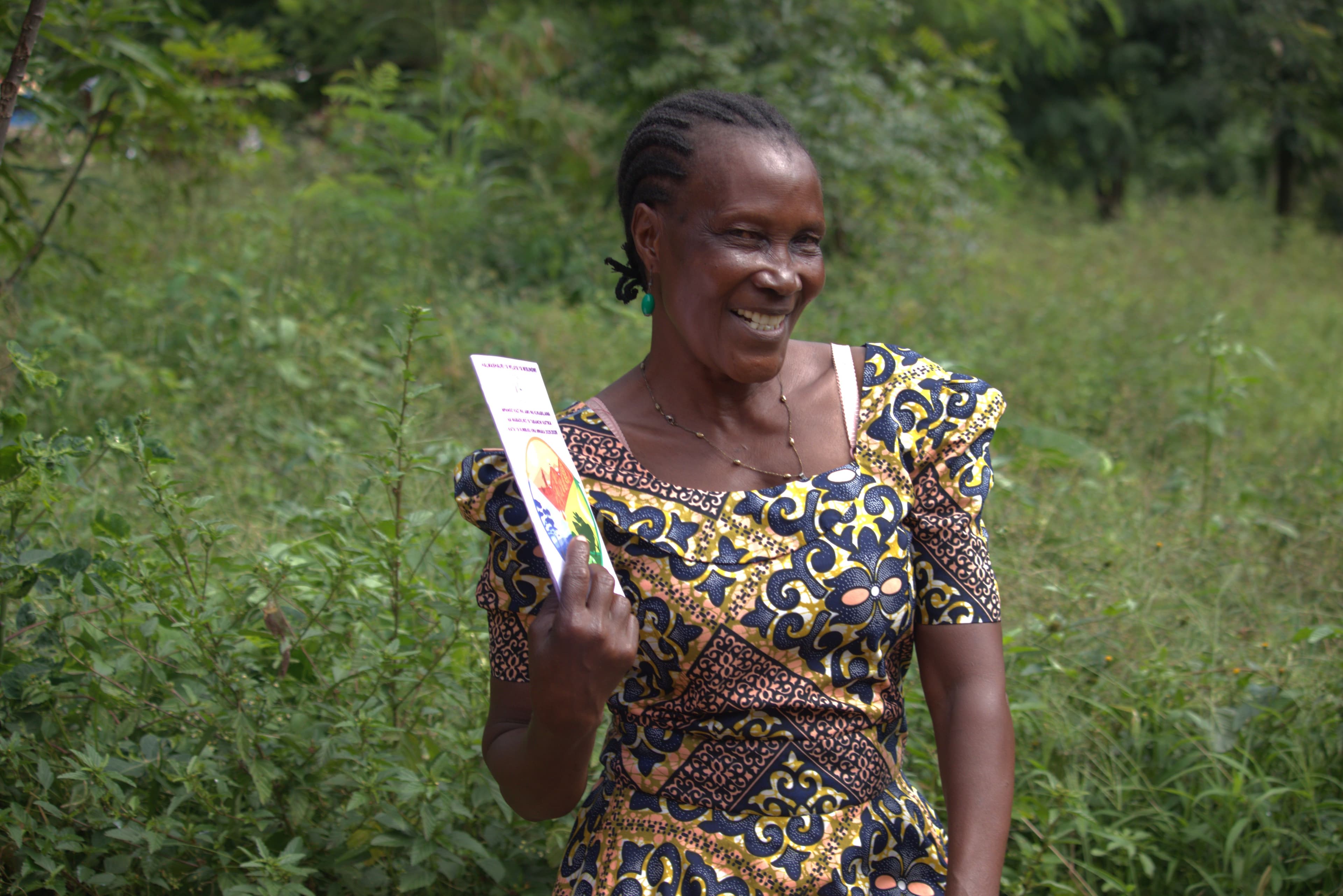
Maria Swagi Kurwa, a 58-year-old resident of Sumbugu Ward, clearly remembers this period. Today, she serves as the Chairperson and a Community representative committee (CRC) in her ward, but this was not always the case
Before the implementation of the DaCCA Project, the situation in Sumbugu Ward, Misungwi District was very different from what it is today. Climate change awareness among community members was extremely low, and environmental degradation was increasing. Unsustainable farming practices, uncontrolled tree cutting, destruction of water sources, and distruction on natural hills and vegetation were common. Most importantly, there was limited community participation in ward-level decision-making, and ordinary citizens especially women and youth, had no clear platform to engage with local government authorities.
“Before this project came,” Maria recalls, “I was not part of community representation the way I am today. People like me had no direct opportunity to sit in decision making meetings or to speak on behalf of the community. Even our understanding of climate change was very low.”
The lack of awareness affected everyone in the ward, farmers, pastoralists, traders, and local leaders alike. Poor agricultural yields, environmental destruction, and recurring climate-related challenges continued to threaten livelihoods. At the same time, there were no deliberate mechanisms that actively involved citizens in identifying problems or proposing solutions related to climate change and development planning.
Everything began to change in 2025, when the DaCCA Project, implemented by Mwanza Youth and Children Network (MYCN), was introduced in Sumbugu Ward. Maria was among the first beneficiaries of the project and soon became involved in its activities.
Through the project, Maria participated in capacity building trainings on climate change adaptation, environmental protection, and community leadership. She also engaged in community consultation sessions aimed at reviewing and updating climate adaptation plans, as well as Ward Development Committee (WDC) meetings where ward work plans were discussed and approved.
“These trainings changed how I see my community and my role in it,” Maria explains. “I gained knowledge, confidence, and the courage to speak not only for myself, but for the people around me.”
With support from MYCN, CRCs were established and strengthened, creating a clear and trusted link between the community and government authorities. Communities were empowered to access information, share their views, and formally present their priorities through trained representatives.
As a result, Maria and other CRCs began actively representing community concerns in ward-level decision making forums. Together with citizens, they identified climate related challenges many caused by human activities and worked collaboratively to find solutions.
The impact of the project is now clearly visible in Sumbugu Ward. The ward has a functional climate change adaptation plan, and community representatives are actively providing environmental education and presenting community feedback to leaders. Awareness campaigns and community meetings have helped residents understand the risks of deforestation, leading to tree planting initiatives and protection of previously degraded hills to allow natural vegetation to recover.
In agriculture, attitudes have shifted significantly. Farmers are increasingly working with agricultural extension officers, conducting soil health assessments, and adopting organic manure and climate-smart farming practices. These changes have improved both productivity and environmental sustainability.
Another key outcome of the project has been improved trust and collaboration between citizens and government leaders. Community voices are now heard, and challenges are addressed through dialogue rather than silence.
“What makes me proud,” Maria says, “is that we are no longer waiting for solutions from outside. We are part of the solution.”
Inclusivity has also been strengthened. Youth, elders, farmers, pastoralists, business people, government leaders, and technical officers are now all involved in climate action and development discussions. This collective engagement has created a shared sense of ownership and responsibility for the future of the ward.
Reflecting on her journey, Maria proudly achieves, “Being part of this project has transformed me. I am now a representative, a mobilizer, and a voice for my community. I feel proud to be part of the change.”
In the long term, the DaCCA Project has laid a strong foundation for community-led climate action, improved governance, and sustainable environmental management in Sumbugu Ward. Maria’s story determines that when communities are empowered with knowledge, platforms, and trust, real and lasting change becomes possible.